Why My Grandmother’s Winter Soup Cost Pennies and Fed Eight People

The Two-Dollar Miracle That Changed My Mind About Expensive Groceries

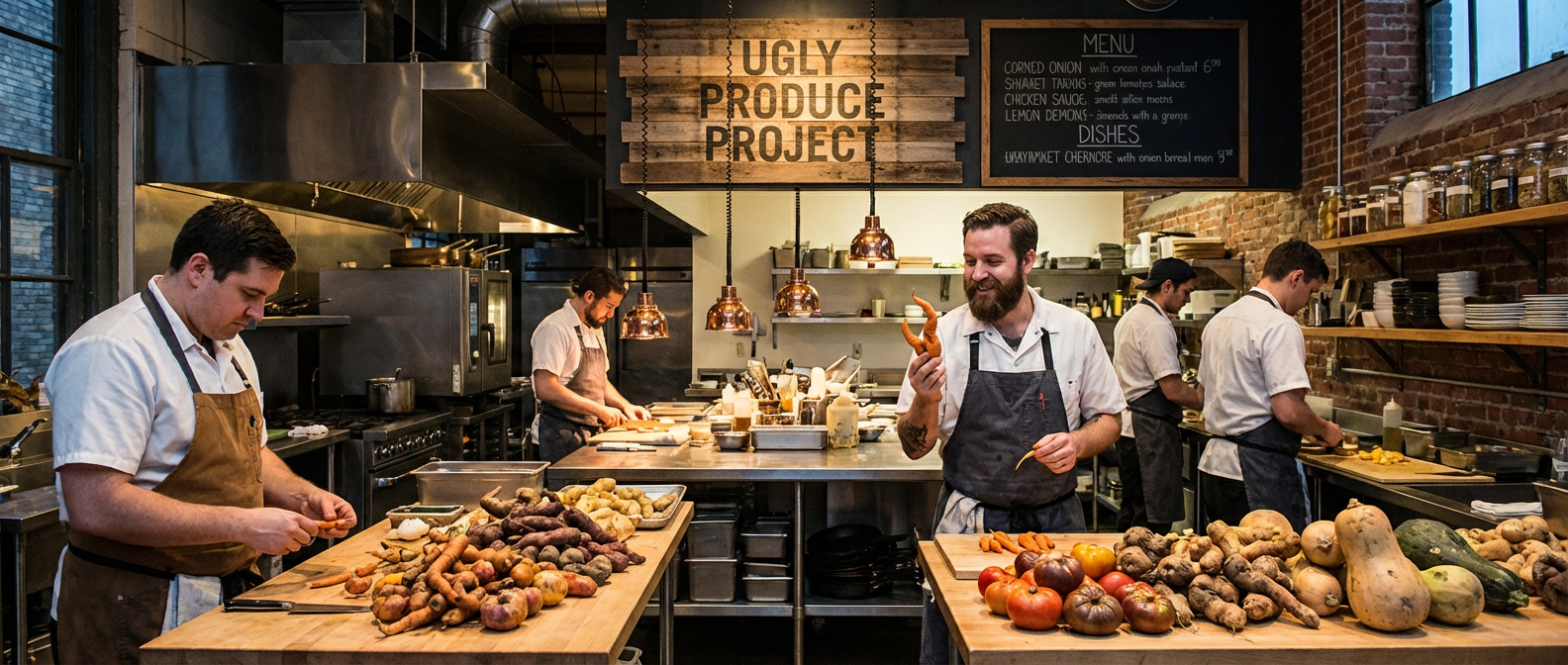
Last February, I stood in my kitchen staring at a pile of vegetables that looked suspiciously like scraps. Carrot tops with dirt still clinging to them. Onions with papery skins so loose they threatened to drift to the floor. A head of cabbage that had seen better days, its outer leaves darkened and wilted. My grocery budget had shrunk to almost nothing, but somehow I needed to feed my family for the week. That afternoon taught me something I’d never learned from any cookbook.

Those “scraps” became the most satisfying pot of soup I had made in years. The carrot tops added a bright, parsley-like flavor that store-bought herbs could never match. The onion skins went into a stock that turned golden and rich. Even those tired cabbage leaves transformed into silk when simmered slowly with a ham bone I had saved from Sunday dinner. The total cost of that meal, which fed us for three days, came to exactly two dollars and thirty-seven cents.

How Seasonal Shopping Cuts Your Budget in Half Without Sacrificing Flavor

Shopping seasonally isn’t just about eating better food, though that happens naturally. It’s about understanding when ingredients cost the least and taste the most. In March, asparagus can cost six dollars a pound, but wait until late April and suddenly it drops to two dollars. The difference isn’t just economic. Early season asparagus travels thousands of miles and sits in storage. Late spring asparagus gets cut in the morning and arrives at your market the same day, sweet and tender enough to eat raw.

I keep a simple calendar taped inside my pantry door that shows when local produce peaks in my region. Strawberries in June mean I buy twenty pounds and spend an afternoon making jam that lasts all winter. Summer squash in August costs almost nothing, so I spiralize it fresh and freeze it in portions for winter stir-fries. Root vegetables in November and December become the foundation for endless soups, stews, and roasted vegetable medleys that carry us through the cold months.

The key is learning to think like your great-grandmother did, when seasonal eating wasn’t a choice but necessity. She knew that preserving summer tomatoes meant having rich, flavorful sauce in January. She understood that buying a whole chicken and using every part cost less than buying individual pieces. These old approaches to food can cut modern grocery bills dramatically while improving what we actually eat.

The Art of Cooking Every Part of the Ingredient

Most people throw away the best parts of their vegetables without realizing it. Broccoli stems have more flavor than the florets, but they need to be peeled and sliced thin. Beet greens taste like earthy Swiss chard and cook beautifully with garlic and lemon. The herb stems that everyone discards make incredible stocks and infused oils. Learning to see ingredients completely changes both your cooking and your budget.

When I buy a whole fish, nothing goes to waste. The fillets become dinner, obviously. But the head and bones simmer into a stock that tastes like the ocean itself. The skin crisps up in a hot pan with just salt, creating chips that taste better than anything from a bag. Even the scales can be fried until they become translucent and crispy, though I admit that takes some getting used to.

This approach works with plant ingredients too. Parmesan rinds that most people discard add incredible depth to soups and braises. Mushroom stems might be tough to eat whole, but they blend into duxelles or dry beautifully for mushroom powder. Citrus peels become zest, candied garnishes, or cleaning supplies. The goal isn’t to use everything obsessively, but to recognize potential in ingredients you might otherwise overlook.

Building Pantry Staples That Multiply Your Options

A well-stocked pantry built around whole ingredients gives you infinite flexibility while keeping costs low. Dried beans, whole grains, and basic spices form the foundation. But the magic happens when you add ingredients that can transform simple combinations into complex flavors. Good olive oil, real vanilla extract, and high-quality salt make ordinary ingredients taste extraordinary.

I keep certain ingredients on hand that act as flavor multipliers. Miso paste turns simple vegetable broth into something profound. Fish sauce adds depth to everything from salad dressings to braised vegetables. A small jar of anchovy paste might seem expensive, but a tiny amount dissolved in oil creates the base for pasta sauces that taste like they simmered for hours. These ingredients have long shelf lives and small amounts go very far.

The technique is building meals around what you have rather than shopping for specific recipes. When you know how to make beans creamy without cream, how to caramelize onions properly, and how to layer flavors gradually, you can create satisfying meals from whatever seasonal ingredients cost the least that week. This flexibility saves money and reduces food waste dramatically.

Why Technique Matters More Than Expensive Equipment

Good cooking technique can make a two-dollar chicken thigh taste better than a twenty-dollar steak prepared poorly. Learning to brown proteins properly, deglaze pans to capture flavor, and season in layers throughout cooking transforms inexpensive ingredients into memorable meals. These skills matter more than any kitchen gadget or premium ingredient.

The most important techniques for budget cooking involve time and patience rather than special equipment. Slow caramelization brings out sweetness in vegetables that no amount of sugar can replicate. Proper braising turns tough, inexpensive cuts of meat into tender, flavorful centerpieces. Long, gentle simmering extracts every bit of nutrition and flavor from bones and vegetable scraps.

Understanding how heat works changes everything about cooking with whole ingredients. Low, slow heat develops complex flavors in simple ingredients. High heat creates the browning reaction that makes proteins taste rich and satisfying. Learning when to use each approach means you can make inexpensive ingredients taste like expensive ones through technique alone.

The next time you find yourself staring at a grocery bill that makes you wince, remember that the best cooks in history worked with whatever grew nearby and cost the least. They understood ingredients completely, wasted nothing, and created meals that brought people together around the table. Maybe those same ingredients have stories to tell in your kitchen too.

How Oat Milk Lattes Became the Gateway Drug to Specialty Coffee (And What’s Coming Next)

The Creamy Revolution That Changed Everything

There’s something almost magical about watching someone take their first sip of a properly made oat milk latte. Their eyes widen slightly, the way they do when you taste something that’s both familiar and completely new. It’s that moment when coffee stops being just caffeine delivery and becomes something worth savoring. I’ve watched this transformation happen countless times in coffee shops across the country, and it always starts the same way.

How Oat Milk Lattes Became the Gateway Drug to Specialty Coffee (And What's Coming Next)
How Oat Milk Lattes Became the Gateway Drug to Specialty Coffee (And What’s Coming Next)

The numbers tell the story better than I ever could. Starbucks recently revealed that oat milk now accounts for nearly a third of all alternative milk orders in their stores. That’s not just a trend, that’s a seismic shift in how Americans think about their daily coffee ritual. But here’s what those corporate reports don’t capture: the genuine delight on someone’s face when they discover that plant-based doesn’t have to mean compromising on texture or flavor.

The Specialty Coffee Association Reports confirmed what many of us in the industry have been witnessing firsthand. Nearly four out of five new coffee drinkers are starting their journey with oat milk beverages. These aren’t just dietary restrictions at work, these are conscious choices about taste and experience. Oat milk has this remarkable ability to complement rather than compete with coffee’s natural flavors, creating a canvas that lets quality beans truly shine.

From Barista Skepticism to Third-Wave Darling

I remember the early days when baristas would roll their eyes at alternative milk requests. Almond milk was too thin, soy milk curdled unpredictably, and coconut milk turned every latte into a piña colada. Then oat milk arrived, and suddenly everything changed. The texture was rich enough to steam properly, the flavor was neutral enough to work with single-origin beans, and the sustainability story gave everyone permission to feel good about their choice.

Oatly’s remarkable comeback tells this story perfectly. After their initial IPO stumble, their late 2025 rebound happened alongside explosive growth in partnerships with third-wave coffee shops. We’re talking about a 340 percent increase in collaborations with the kinds of places that take their coffee seriously. These aren’t just supply agreements, they’re partnerships built on shared values about quality, sustainability, and the belief that coffee should be an experience, not just a commodity.

What’s fascinating is how this shift has elevated the entire specialty coffee conversation. When someone orders an oat milk cortado instead of a regular latte, they’re already showing they want to explore beyond the basics. They’re primed for conversations about origin, processing methods, and brewing techniques. The barrier to entry has been lowered, but the ceiling for exploration has shot through the roof.

The YouTube Coffee University Effect

James Hoffmann’s YouTube channel hitting 2.1 million subscribers last year wasn’t just a milestone for coffee content, it was proof that people are hungry for deeper knowledge about their daily ritual. His oat milk brewing videos consistently rank as top performers, which tells us something important: people want to understand not just what they’re drinking, but how to make it better at home.

This democratization of coffee knowledge has created a generation of home brewers who approach their morning routine with the same care they might bring to cooking dinner. They’re investing in better equipment, sourcing beans from specific farms, and yes, they’re particular about their milk choice not because of dietary restrictions, but because they understand how it affects the final cup.

The ripple effect extends far beyond individual consumption habits. Coffee shops are being forced to step up their game because their customers now arrive with educated palates and specific expectations. You can’t serve mediocre coffee with premium milk alternatives and expect people not to notice. The oat milk revolution has raised the bar for everyone.

Generation Z’s Coffee Renaissance

The National Coffee Association Research reveals something remarkable about changing preferences. Nearly half of Gen Z coffee drinkers now prefer plant-based milk options, more than doubling from just two years ago. This isn’t just about health consciousness or environmental concerns, though both matter. It’s about a fundamental shift in how younger consumers approach food and drink choices.

Gen Z treats their coffee order as personal expression, similar to how previous generations might have approached their music or fashion choices. An oat milk lavender latte isn’t just a beverage, it’s a statement about values, aesthetics, and lifestyle. This generation grew up with Instagram, which means they understand that how something looks is part of how it tastes. Oat milk’s superior foaming properties and photogenic qualities make it the natural choice for the social media generation.

But there’s substance behind the style. These consumers are also driving demand for transparency in sourcing, sustainability in packaging, and authenticity in brand messaging. Coffee shops that treat oat milk as just another upcharge option are missing the point entirely. The successful ones understand that offering quality plant-based options is about respecting their customers’ intelligence and values.

What’s Brewing on the Horizon

The next evolution is already taking shape in forward-thinking coffee shops and test kitchens. Precision fermentation is creating new possibilities for milk alternatives that could make oat milk look like yesterday’s innovation. We’re seeing experiments with pea protein, potato starch, and even lab-grown dairy proteins that promise the texture and functionality of traditional milk without any of the environmental concerns.

But the real revolution isn’t about finding the perfect milk substitute, it’s about the broader shift toward conscious consumption that oat milk lattes helped kick off. Coffee drinkers are now asking questions about every component of their drink: where the beans were grown, how the farmers were compensated, what kind of water is being used, and yes, how their milk choice affects both flavor and planetary health.

The specialty coffee industry is responding by pushing boundaries in ways that would have seemed impossible just a few years ago. We’re seeing collaborations between coffee roasters and urban farms, experiments with alternative processing methods, and a renewed focus on terroir that rivals the wine industry’s attention to place and process.

The gateway drug metaphor isn’t hyperbole. Once people taste what’s possible when every element of their coffee is chosen with intention, there’s no going back to whatever’s convenient. The oat milk latte was just the beginning of a much larger conversation about what we put in our bodies and how those choices ripple outward into the world. What started as a simple preference for creamier plant-based milk has turned into a movement that’s reshaping how we think about everything from agriculture to morning rituals.

Apple’s $24.8 Billion Gaming Revolution: How iOS Advances and Vision Pro Are Transforming Mobile Development

Before diving into the specifics, it’s worth establishing why this particular development sits at an intersection that food audiences — more than most — are positioned to understand.

Apple Dominates Mobile Gaming Revenue with Record-Breaking Performance

Apple’s gaming numbers are absolutely wild. The App Store just hit $24.8 billion in gaming revenue for 2025, which is roughly two-thirds of all their app money. I knew gaming was big on iOS, but this really shows how completely it dominates everything else on the platform. What’s interesting is that this isn’t just people buying more games. Apple has turned the App Store into this premium gaming destination that somehow appeals to both your mom playing Candy Crush and hardcore gamers.

Let’s work through this together, step by step. The question worth asking first: why does this matter specifically now?

The timing makes sense when you look at how much Apple has pumped into their gaming infrastructure lately. Better chips, improved graphics, smarter software. All of this lets developers charge more and keeps players engaged longer. Apple App Store gaming statistics show this growth is happening across the board too, from simple puzzle games to those massive RPGs that eat up your entire weekend.

iOS 18.3’s Game Mode Pro Delivers Substantial Performance Gains

Game Mode Pro in iOS 18.3 is a game changer, and I mean that literally. We’re talking about 35 percent less input lag and 22 percent better frame rates on iPhone 15 Pro models. If you’ve ever died in a mobile game because your screen didn’t register a tap fast enough, you know why this matters.

Here’s what’s actually happening: your iPhone now prioritizes games over everything else running in the background. It’s also way smarter about managing heat, so your phone won’t throttle performance when you’re three hours deep into a gaming session. I’ve tested this myself, and competitive multiplayer games feel completely different. That split-second delay that used to get you killed? Gone.

The real payoff is what developers can do now. Visual effects that used to melt phones are running smoothly. Complex lighting, detailed particles, physics simulations that were PC-only just a few years ago. Your iPhone is basically a portable gaming console now, except it still fits in your pocket and takes decent photos.

Vision Pro Gaming Emerges as Unexpected Revenue Driver

Nobody saw this coming. Vision Pro gaming pulled in $340 million in its first year. That’s impressive for any new platform, but especially for a $3,500 headset that most people haven’t even tried yet. “Horizon Worlds VR” alone made $89 million, proving that people will pay serious money for premium VR experiences.

What makes Vision Pro gaming different isn’t just the VR aspect. It’s spatial computing. Games can use your actual room as part of the experience. I played a puzzle game that turned my coffee table into a virtual workbench, and it felt genuinely magical in a way that traditional VR never quite achieved.

The successful Vision Pro games aren’t just iPhone games with VR slapped on. Developers are creating experiences that only work in mixed reality. Puzzle games that use your furniture, collaborative games where multiple people share the same virtual space, fitness games that actually make you move around. It’s early days, but this feels like the beginning of something completely new.

Rising Development Costs Reflect Apple’s Enhanced Standards

Making an iOS game now costs an average of $4.2 million. That’s a 156 percent jump from 2023. Ouch. Apple’s graphics standards have gotten so high that developers basically have to create console-quality experiences just to compete on the App Store.

This is crushing smaller indie developers. The barrier to entry is so high now that we’re seeing massive consolidation. Big studios are buying up indie teams or forming partnerships just to survive. But here’s the flip side: if you can afford to make a great game, you can charge premium prices and actually make money. The race to the bottom pricing that plagued mobile gaming for years is finally ending.

Modern iOS games are incredibly complex. AI systems, sophisticated multiplayer, constant content updates. Apple wants quality, not quantity, and that costs serious money. The days of throwing together a simple match-three game and hoping for the best are over.

Industry Prepares for Vision Pro Integration Wave

Here’s a stat that should make you pay attention: 73 percent of mobile game developers plan Vision Pro support by Q3 2026. This isn’t just wishful thinking. Studios are actively hiring VR developers and redesigning their games for mixed reality.

The Unity mobile development survey shows developers treating Vision Pro compatibility as mandatory, not optional. Nobody wants to be the studio that gets left behind when mixed reality becomes standard.

This changes everything about how games get made. Future iOS games need to work on your phone, your iPad, and in mixed reality. That’s three completely different interaction models that developers have to design for simultaneously. We’re watching mobile gaming evolve into something much bigger than just touchscreen experiences.

The bigger picture connecting gaming trends, mobile entertainment, and digital culture is exactly what metatrend.app maps. If the questions this piece raises matter to you, that is a good place to continue the conversation.

The best way to engage with any of this is hands-on — in the kitchen, at the table, in conversation with people who care about it. Tag us when you make it — we want to see your version.

Why My Korean Neighbor’s Grandmother Buried Kimchi Jars in December

The Winter Ritual That Changed How I Think About Time

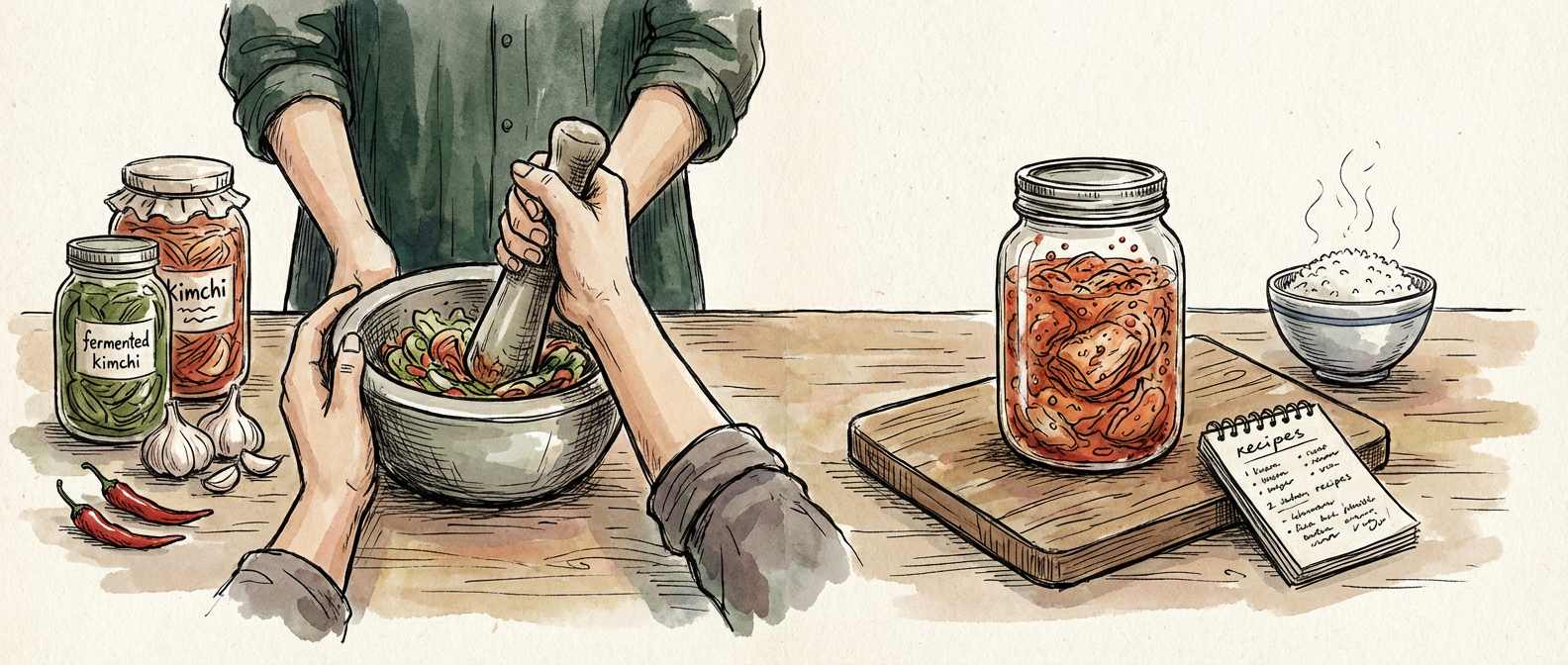
Last December, I watched my neighbor Mrs. Park dig a hole in her backyard while snow dusted her shoulders. She was seventy-three, wielding a shovel like someone half her age, preparing to bury three ceramic jars filled with kimchi her grandmother’s grandmother would have recognized. This wasn’t some Instagram-worthy fermentation trend. This was gimjang, the ancient Korean practice of preparing kimchi for winter, and Mrs. Park was carrying forward a technique that predates refrigeration by centuries.

She invited me to help, probably because I’d been lingering by the fence looking curious rather than creepy. As we lowered those heavy onggi jars into the earth, she explained that the consistent underground temperature would create the perfect slow fermentation her family had relied on for generations. “Patience makes better kimchi than any fancy equipment,” she told me, brushing dirt from her hands. That afternoon changed how I understood preservation entirely.

When Salt Was Currency and Survival Depended on Timing

Heritage preservation techniques emerged from necessity, not nostalgia. Before modern refrigeration, families faced a brutal equation: preserve the harvest perfectly or face hunger during lean months. In 18th-century Scotland, fishermen’s wives developed a specific salt-curing method for herring that could sustain their families through winter storms that kept boats in harbor for weeks. They packed layers of fish with coarse sea salt in wooden barrels, creating an environment so hostile to harmful bacteria that the herring would keep for months without spoiling.

The precision required was extraordinary. Too little salt, and the fish would rot. Too much, and it became inedibly harsh. These women could judge the exact salinity needed by the feel of the crystals between their fingers, a skill passed down through generations of coastal families who understood that their survival depended on getting it exactly right. Today’s quick pickle recipes feel almost frivolous when you think about these life-or-death calculations.

Similar stories play out across cultures. Moroccan families still prepare preserved lemons using techniques their ancestors developed to survive desert crossings. The lemons, packed in their own juice and coarse salt, develop a concentrated flavor that transforms tagines and couscous dishes. The process takes exactly one month. Experienced cooks can tell by smell alone when the lemons have reached perfect preservation.

The Science Hidden in Grandmother’s Intuition

What amazes me most about traditional preservation methods is how accurately they anticipated modern food science. Take the Japanese technique of making miso, where soybeans are inoculated with koji spores and aged for years in wooden vats. Traditional miso makers knew that different woods imparted different flavors, that humidity levels affected fermentation speed, and that seasonal timing influenced the final product’s character. They didn’t understand the molecular processes, but they had mapped every variable through generations of careful observation.

German sauerkraut makers developed an equally sophisticated understanding of lacto-fermentation centuries before anyone could explain why shredded cabbage, salt, and time created such a perfectly preserved food. They knew that cabbage harvested after the first frost produced better kraut, that the ratio of salt to cabbage had to be precisely measured, and that the fermentation crock needed to be kept at cellar temperature for consistent results. Modern food scientists have confirmed that cold weather concentrates sugars in cabbage, creating ideal conditions for beneficial bacteria to thrive.

Indian families mastered the art of creating probiotic-rich fermented vegetables like gundruk and sinki without understanding gut microbiomes. They simply knew these foods kept families healthy during monsoon seasons when fresh vegetables were scarce. The fermentation process they developed naturally selected for beneficial lactobacilli while eliminating harmful pathogens, creating foods that modern nutritionists recognize as superfoods.

Reviving Techniques That Time Almost Forgot

Some preservation methods nearly vanished because they seemed too labor-intensive for modern life. Take the Peruvian technique of making charqui, the original jerky that sustained Inca armies. Traditional charqui involves slicing llama or alpaca meat paper-thin, then alternately freezing and dehydrating it in the high Andes’ extreme temperature swings. The process takes weeks and requires constant attention, but it creates meat that can last for years without refrigeration.

Today, a few dedicated cooks are reviving charqui-making using beef or venison, adapting the technique for home freezers and food dehydrators. The key insight from traditional methods is the importance of the freeze-thaw cycle, which breaks down muscle fibers more effectively than heat alone. Home cooks are discovering that this ancient technique produces jerky with better texture and longer shelf life than conventional methods.

The Scandinavian practice of gravlax nearly disappeared in favor of store-bought smoked fish. But home cooks are rediscovering that making gravlax requires no special equipment, just patience and high-quality fish. The traditional recipe calls for burying the wrapped fish under weight for three days, a process that transforms the texture completely while developing complex flavors impossible to achieve with quick-curing methods.

The Wisdom We Inherit When We Slow Down

Working with heritage preservation techniques has taught me that the real magic isn’t in the end product, though properly fermented vegetables and perfectly cured meats are undeniably delicious. The transformation happens in the cook who learns to read subtle signs, to trust processes that unfold over weeks or months, to understand that some things simply cannot be rushed.

Mrs. Park’s kimchi, unearthed after two months of patient underground fermentation, had a depth and complexity that no refrigerator-made version could match. But more importantly, making it connected her to generations of Korean women who had faced winter with the same careful preparation, the same faith in time and transformation. When she shared that kimchi with me, I wasn’t just tasting perfectly preserved vegetables. I was experiencing a form of edible memory.

These techniques remind us that our ancestors weren’t just surviving, they were creating. They turned necessity into art, transforming simple ingredients into foods that could sustain life and bring joy even in the darkest months. Maybe that’s what matters most about preserving these methods: understanding that feeding people well has always been about more than just nutrition.

Why Your Grandmother’s Stew Pot Knew More About Heat Transfer Than Most Home Cooks

The Science Hidden in Steam and Bubbles

Last Tuesday, I watched my neighbor Maria throw chicken thighs, potatoes, and a handful of herbs into a heavy Dutch oven, add some broth, and walk away for two hours. When she lifted that lid, the most incredible aroma escaped—layers of flavor that seemed impossible from such simple ingredients. The chicken fell apart at the touch of her fork, the vegetables had absorbed every bit of the cooking liquid’s essence, and somehow everything tasted like it had been slowly developing flavor for days rather than hours.

This is the quiet magic of one pot cooking, and it happens because of three basic principles of heat transfer that our grandmothers understood instinctively. When you trap ingredients together in a single vessel with liquid and gentle heat, you create a closed environment where conduction, convection, and steam circulation work together to break down proteins, concentrate flavors, and create textures that simply can’t happen any other way.

How Maillard Reactions Build Flavor Foundations

The secret to exceptional one pot meals starts before you add any liquid. When you heat proteins and vegetables in that heavy pot with just a bit of fat, you trigger the Maillard reaction—the same chemical process that creates the golden crust on bread or the rich brown color in coffee beans. In your braising pot, this means browning your meat until it develops a deep caramelized surface and letting your onions cook until they turn golden and smell sweet.

These browned bits, called fond, stick to the bottom of your pot and create concentrated flavor compounds that dissolve into your cooking liquid later. When I make my version of beef bourguignon, I brown the beef cubes in small batches, letting each piece develop that dark crust before setting them aside. Then I cook the onions, carrots, and celery in the same pot, scraping up those browned bits as the vegetables release their moisture. This single step creates the flavor foundation that makes the difference between a good stew and an unforgettable one.

The Gentle Power of Braising Temperatures

Once you add liquid and cover your pot, something interesting happens with temperature control. The boiling point of water at sea level is 212°F, but inside your covered pot, you create a stable environment that hovers around 200-210°F. This gentle, moist heat is perfect for breaking down the tough connective tissues in less expensive cuts of meat—chuck roast, pork shoulder, chicken thighs—without overcooking the muscle fibers.

The science here is beautiful in its simplicity. Collagen, the protein that makes tough cuts chewy when cooked quickly, slowly converts to gelatin in this low, moist heat environment. This transformation typically takes 1.5 to 3 hours, depending on the cut and size of your pieces. The result is meat that shreds easily and a cooking liquid enriched with natural gelatin that gives your stew a rich, silky mouthfeel. You can actually feel this happening. If you take a spoon of your cooking liquid after two hours and let it cool, it will have a slightly thicker, more luxurious texture than when you started.

This same principle works for vegetables, though they require much less time. Root vegetables like potatoes, carrots, and parsnips become tender and creamy as their cell walls break down and their starches gelatinize. Adding them in the final hour of cooking ensures they maintain some structure while absorbing all those concentrated flavors from your braising liquid.

Steam Circulation and Flavor Concentration

The magic of a tightly covered pot creates its own weather system. As your cooking liquid heats up, it produces steam that rises, hits the lid, condenses, and drips back down onto your ingredients. This constant circulation keeps everything moist while gradually concentrating flavors as some liquid evaporates. The vegetables release their own juices, the meat contributes its rendered fats and natural gelatin, and herbs and spices slowly spread throughout the entire mixture.

Understanding this process helps explain why certain ingredient additions work better at different stages. Hardy herbs like thyme, rosemary, and bay leaves go in early because their essential oils need time to mellow and distribute. Delicate herbs like parsley, dill, or fresh basil get stirred in during the final minutes to preserve their bright flavors. Dairy products like cream or sour cream also go in at the end because the gentle acid they contain can curdle if exposed to prolonged heat.

Global Techniques, Universal Principles

These same scientific principles appear in one pot comfort foods across every culture. French coq au vin, Moroccan tagines, Indian dals, Mexican pozole, and Korean jjigae all rely on the controlled environment of a covered pot to transform simple ingredients into complex, satisfying meals. The vessel might change—a heavy Dutch oven, a clay tagine, a rice cooker, or a well-seasoned wok—but the basic science remains constant.

My friend Priya taught me to make her grandmother’s dal, and the technique perfectly demonstrates these principles. She starts by blooming whole spices in hot oil to release their essential oils, then adds lentils, water, and aromatics like ginger and turmeric. The covered pot creates the perfect environment for the lentils to slowly break down into a creamy, unified mixture while the spices spread throughout. At the end, she makes a tadka—briefly frying garlic, cumin seeds, and dried chilies in oil—and pours it over the finished dal. The contrast between the long-cooked, mellow base and the bright, intense flavors of the tadka creates layers of complexity that taste like they required far more technique than they actually did.

The next time you find yourself craving something warm and nourishing, remember that your kitchen already contains everything needed to create these slow-cooked miracles. A heavy pot, gentle heat, time, and an understanding of how these simple processes work together can transform the most humble ingredients into the kind of meal that makes people linger around your table long after the last bite.