Why I Trust My Nose More Than Online Reviews
You know that moment when you walk into a restaurant and something in the air tells you everything you need to know? Last month, I pushed open the scratched glass door of Nonna’s Corner on Bleecker Street, and the scent hit me like a warm embrace from someone’s actual grandmother. Garlic, yes, but also that deeper smell of onions that have been cooked with patience, tomatoes that have given up their secrets slowly, and that indefinable aroma of a kitchen that has been loved for decades.
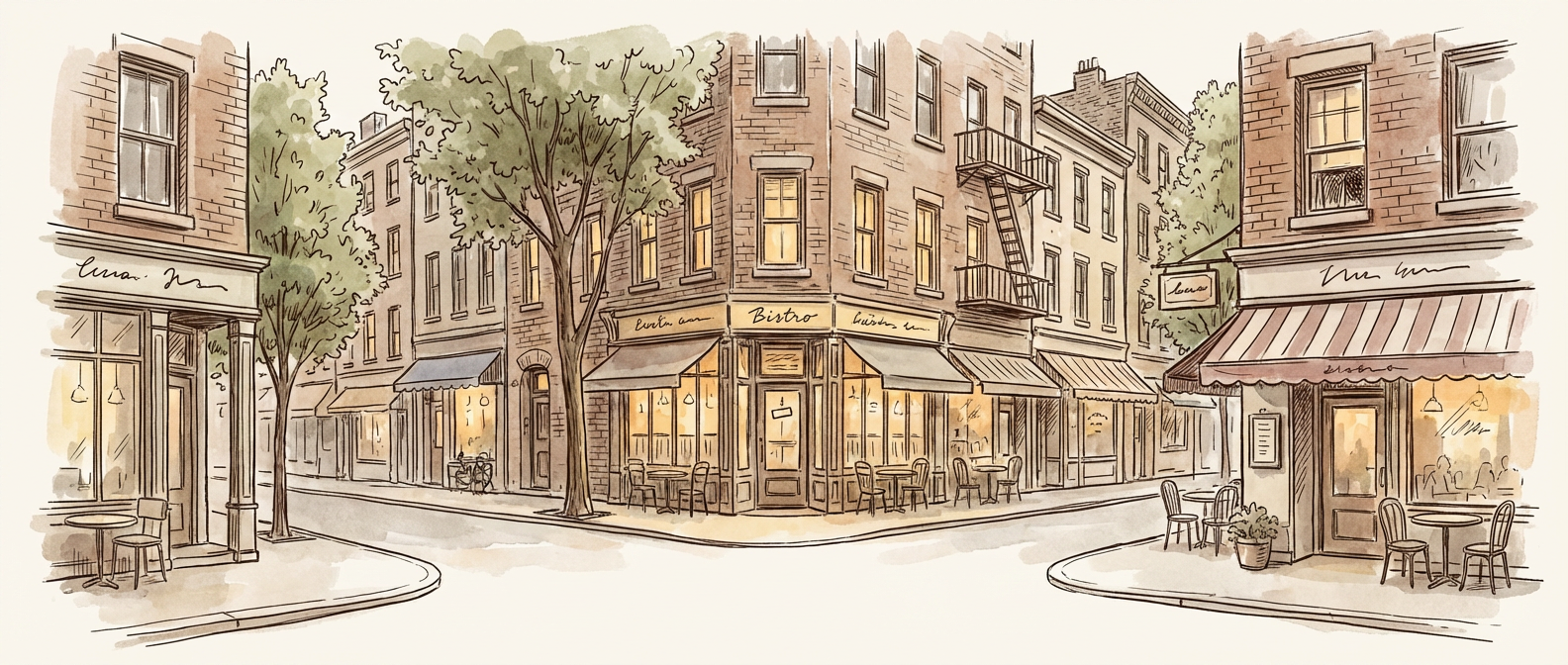
This is not the kind of place that photographs well for Instagram. The lighting has the amber quality of a 1970s sitcom, and the mismatched chairs look like they’ve been collected from garage sales over the years. But that smell told me more than any five-star review ever could. The marinara sauce here isn’t doctored with sugar or shortcuts. It tastes like someone’s nonna actually did teach them the recipe, complete with the kind of seasoning intuition that only comes from making the same dish a thousand times.
The service runs on neighborhood time, which means your server might pause to check on the regular at table six who always orders the same thing, or to explain to first-timers why the meatballs take twenty minutes. This isn’t inefficiency. It’s the rhythm of a place that knows its purpose isn’t just feeding people, but creating the kind of dining experience that makes you want to linger over a second glass of house red.
When Authentic Doesn’t Mean What You Think It Means
Three blocks from my apartment sits El Rinconcito, a Salvadoran place that most people walk past without noticing. The exterior promises nothing special, just hand-painted signs and a window that could use a good cleaning. But inside, Maria Elena makes pupusas that would make grown Salvadorans weep with homesickness. I know this because I’ve watched it happen.
Here’s what I love about Maria Elena’s approach: she doesn’t explain her food to you. The pupusas arrive golden and properly thick, with curtido that has the right balance of heat and acid, and cheese that pulls in those satisfying strings that tell you it was mixed by hand this morning. The beans taste like they’ve been cooking since dawn, which they probably have, and the plantains are sweet enough that my friend’s six-year-old daughter asked for seconds.
The space itself feels like eating in someone’s living room, complete with plastic tablecloths and a television playing novelas in the corner. Maria Elena moves between tables with the confidence of someone who knows exactly what she’s doing, checking on customers with genuine care but without hovering. When she recommends the weekend special of sopa de gallina india, you order it. When she tells you the tres leches is gone for the day, you accept this with grace and mentally note to order it for next time.
The Art of Not Trying Too Hard
Golden Dragon on Amsterdam Avenue has been running the same menu since 1987, and the owners seem genuinely puzzled by the idea that this might be a problem. The orange vinyl booths show their age, the carpet has seen better decades, and the lighting comes courtesy of fluorescent tubes that flicker occasionally. This is not a restaurant that cares about ambiance in any contemporary sense.
What Golden Dragon does care about is turning out Cantonese-American dishes that taste exactly like what they’re supposed to taste like, without apology or innovation. The sweet and sour pork has the right balance of tang and sugar, the vegetables in the lo mein retain their crunch, and the fried rice tastes like someone who actually knows how to work a wok made it. These are not Instagram-worthy dishes. They’re Tuesday night dinner when you want something satisfying and familiar.
The service here operates on a system that seems mysterious to newcomers but makes perfect sense once you understand it. Mrs. Chen knows what everyone wants before they order, remembers who likes extra sauce, and has mastered the art of bringing your food exactly when you’re ready for it, not when some arbitrary kitchen timer goes off. She’s not warm in any performative way, but she’s efficient and reliable, which feels more valuable than forced friendliness.
When Location Actually Matters
Chez Laurent sits on a corner that gets no foot traffic, surrounded by auto repair shops and a laundromat that’s seen better days. The restaurant’s exterior promises nothing more than basic competence, and the interior decorating budget clearly peaked somewhere around 1995. But Laurent, the actual chef and owner, trained in Lyon and still cooks like he has something to prove to the ghosts of French culinary tradition.
His coq au vin arrives in a cast iron pot that’s still bubbling slightly, the sauce rich enough to coat the back of a spoon and complex enough that you taste different notes with each bite. The vegetables haven’t been overcooked, the chicken falls apart at the gentle pressure of a fork, and the portion size tells you that someone understands good food should satisfy you completely. This is not molecular gastronomy or fusion experimentation. It’s classic technique applied with skill and respect.
Laurent himself works the small dining room with the kind of attention that comes from genuine pride in his work. He remembers faces, asks thoughtful questions about the meal, and makes recommendations based on actual assessment rather than whatever needs to move from the kitchen. The wine list focuses on French bottles that pair intelligently with the food, priced fairly for the neighborhood rather than inflated for the experience.
The Real Test of a Neighborhood Gem
Here’s how you know if a place deserves your loyalty: you start planning your week around eating there. Not because it’s convenient or trendy, but because the food and experience offer something you can’t replicate at home or find elsewhere. These four spots pass that test consistently, delivering the kind of satisfaction that comes from knowing someone cares deeply about what they’re putting in front of you.
Good neighborhood restaurants don’t announce themselves with fanfare. They earn recognition through consistency, honesty, and the gradual accumulation of customers who understand what they’re offering. They’re staffed by people who see cooking and service as crafts worth perfecting, not just ways to pay rent. And they create the kind of dining experiences that remind you why eating out can be about more than just convenience.
What hidden gems have you discovered in your own neighborhood? I’m always looking for that next spot where the smell alone tells you everything you need to know about what kind of meal you’re about to have.