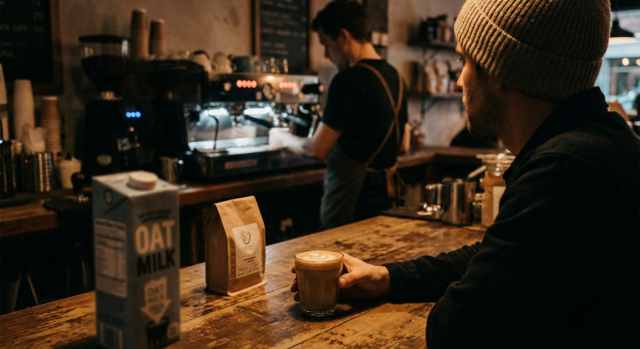
The Creamy Revolution That Changed Everything
There’s something almost magical about watching someone take their first sip of a properly made oat milk latte. Their eyes widen slightly, the way they do when you taste something that’s both familiar and completely new. It’s that moment when coffee stops being just caffeine delivery and becomes something worth savoring. I’ve watched this transformation happen countless times in coffee shops across the country, and it always starts the same way.
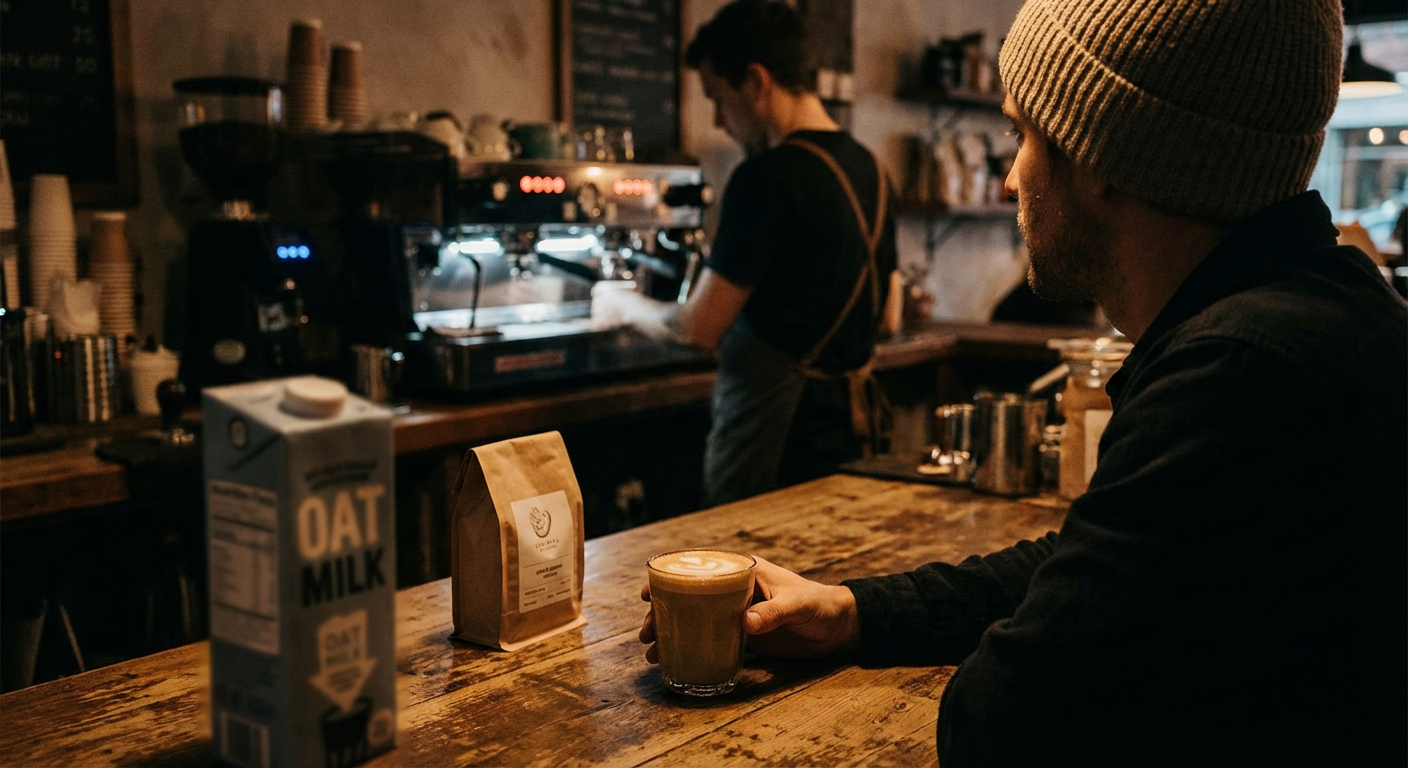
The numbers tell the story better than I ever could. Starbucks recently revealed that oat milk now accounts for nearly a third of all alternative milk orders in their stores. That’s not just a trend, that’s a seismic shift in how Americans think about their daily coffee ritual. But here’s what those corporate reports don’t capture: the genuine delight on someone’s face when they discover that plant-based doesn’t have to mean compromising on texture or flavor.
The Specialty Coffee Association Reports confirmed what many of us in the industry have been witnessing firsthand. Nearly four out of five new coffee drinkers are starting their journey with oat milk beverages. These aren’t just dietary restrictions at work, these are conscious choices about taste and experience. Oat milk has this remarkable ability to complement rather than compete with coffee’s natural flavors, creating a canvas that lets quality beans truly shine.
From Barista Skepticism to Third-Wave Darling
I remember the early days when baristas would roll their eyes at alternative milk requests. Almond milk was too thin, soy milk curdled unpredictably, and coconut milk turned every latte into a piña colada. Then oat milk arrived, and suddenly everything changed. The texture was rich enough to steam properly, the flavor was neutral enough to work with single-origin beans, and the sustainability story gave everyone permission to feel good about their choice.
Oatly’s remarkable comeback tells this story perfectly. After their initial IPO stumble, their late 2025 rebound happened alongside explosive growth in partnerships with third-wave coffee shops. We’re talking about a 340 percent increase in collaborations with the kinds of places that take their coffee seriously. These aren’t just supply agreements, they’re partnerships built on shared values about quality, sustainability, and the belief that coffee should be an experience, not just a commodity.
What’s fascinating is how this shift has elevated the entire specialty coffee conversation. When someone orders an oat milk cortado instead of a regular latte, they’re already showing they want to explore beyond the basics. They’re primed for conversations about origin, processing methods, and brewing techniques. The barrier to entry has been lowered, but the ceiling for exploration has shot through the roof.
The YouTube Coffee University Effect
James Hoffmann’s YouTube channel hitting 2.1 million subscribers last year wasn’t just a milestone for coffee content, it was proof that people are hungry for deeper knowledge about their daily ritual. His oat milk brewing videos consistently rank as top performers, which tells us something important: people want to understand not just what they’re drinking, but how to make it better at home.
This democratization of coffee knowledge has created a generation of home brewers who approach their morning routine with the same care they might bring to cooking dinner. They’re investing in better equipment, sourcing beans from specific farms, and yes, they’re particular about their milk choice not because of dietary restrictions, but because they understand how it affects the final cup.
The ripple effect extends far beyond individual consumption habits. Coffee shops are being forced to step up their game because their customers now arrive with educated palates and specific expectations. You can’t serve mediocre coffee with premium milk alternatives and expect people not to notice. The oat milk revolution has raised the bar for everyone.
Generation Z’s Coffee Renaissance
The National Coffee Association Research reveals something remarkable about changing preferences. Nearly half of Gen Z coffee drinkers now prefer plant-based milk options, more than doubling from just two years ago. This isn’t just about health consciousness or environmental concerns, though both matter. It’s about a fundamental shift in how younger consumers approach food and drink choices.
Gen Z treats their coffee order as personal expression, similar to how previous generations might have approached their music or fashion choices. An oat milk lavender latte isn’t just a beverage, it’s a statement about values, aesthetics, and lifestyle. This generation grew up with Instagram, which means they understand that how something looks is part of how it tastes. Oat milk’s superior foaming properties and photogenic qualities make it the natural choice for the social media generation.
But there’s substance behind the style. These consumers are also driving demand for transparency in sourcing, sustainability in packaging, and authenticity in brand messaging. Coffee shops that treat oat milk as just another upcharge option are missing the point entirely. The successful ones understand that offering quality plant-based options is about respecting their customers’ intelligence and values.
What’s Brewing on the Horizon
The next evolution is already taking shape in forward-thinking coffee shops and test kitchens. Precision fermentation is creating new possibilities for milk alternatives that could make oat milk look like yesterday’s innovation. We’re seeing experiments with pea protein, potato starch, and even lab-grown dairy proteins that promise the texture and functionality of traditional milk without any of the environmental concerns.
But the real revolution isn’t about finding the perfect milk substitute, it’s about the broader shift toward conscious consumption that oat milk lattes helped kick off. Coffee drinkers are now asking questions about every component of their drink: where the beans were grown, how the farmers were compensated, what kind of water is being used, and yes, how their milk choice affects both flavor and planetary health.
The specialty coffee industry is responding by pushing boundaries in ways that would have seemed impossible just a few years ago. We’re seeing collaborations between coffee roasters and urban farms, experiments with alternative processing methods, and a renewed focus on terroir that rivals the wine industry’s attention to place and process.
The gateway drug metaphor isn’t hyperbole. Once people taste what’s possible when every element of their coffee is chosen with intention, there’s no going back to whatever’s convenient. The oat milk latte was just the beginning of a much larger conversation about what we put in our bodies and how those choices ripple outward into the world. What started as a simple preference for creamier plant-based milk has turned into a movement that’s reshaping how we think about everything from agriculture to morning rituals.