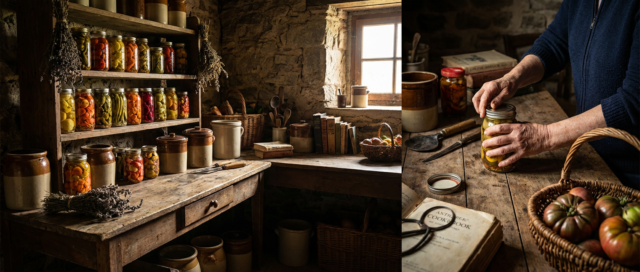
The Whispered Wisdom of August Cucumbers
There’s something almost magical about standing in your kitchen on a sweltering August afternoon, surrounded by towers of cucumbers that seem to multiply when you’re not looking. Your neighbor dropped off another bag this morning, and the vines in your own garden are practically begging for relief. This is the moment when our grandmothers would have rolled up their sleeves and reached for the Mason jars, understanding something we’re only beginning to remember: abundance is meant to be captured, not wasted.
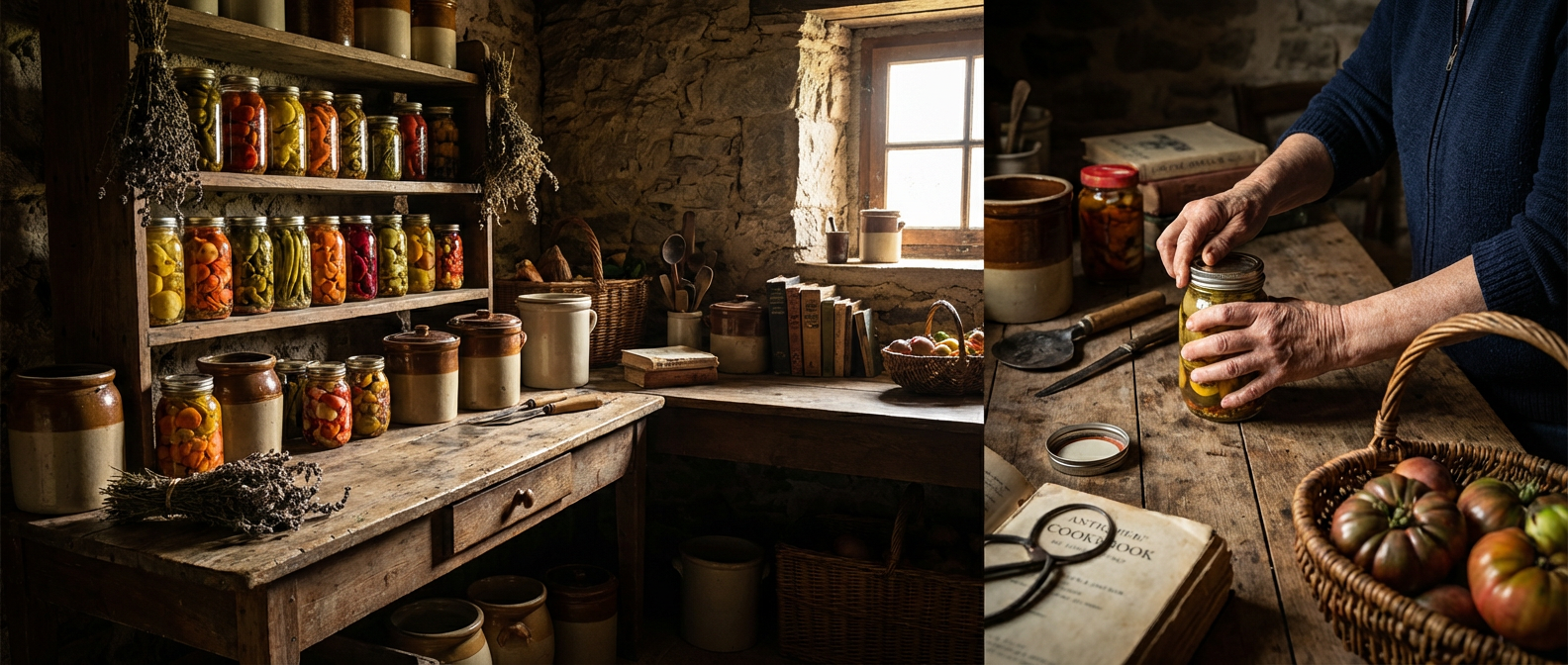
The cucumber in your hands holds the essence of this particular summer: the rain patterns, the soil composition, the exact angle of sunlight that kissed its skin. When you transform it into pickles using techniques passed down through generations, you’re not just preserving food. You’re bottling time itself, creating little jars of August sunshine that will brighten your February table when the world outside is gray and the grocery store cucumbers taste like disappointment wrapped in plastic.
Traditional pickling begins with understanding that vegetables have seasons, and those seasons matter. The cucumbers arriving now are different than their greenhouse cousins. Their cell structure is denser, their flavor more concentrated, their natural sugars perfectly balanced for fermentation. Our ancestors knew this by feel, timing their preserving efforts to match nature’s generous offerings rather than fighting against the calendar.

The Forgotten Language of Lacto-Fermentation
Before refrigeration rewrote the rules of food storage, families spoke fluent fermentation. They understood that certain bacteria are allies, not enemies, and that given the right conditions (salt, time, and patience), vegetables will transform themselves into something more nutritious and flavorful than they were fresh. This isn’t the quick vinegar pickling that dominates modern recipes, but the slower, more complex process of lacto-fermentation that our great-grandmothers took for granted.
The technique itself seems simple: submerge vegetables in a salt brine strong enough to encourage beneficial lactobacilli while discouraging harmful bacteria. But within this simplicity lies real complexity. The salt percentage matters. Too little and harmful bacteria thrive. Too much and fermentation stalls. The temperature of your kitchen affects the timeline. The mineral content of your water influences the final flavor. These variables aren’t obstacles, they’re invitations to develop the kind of feel that turns cooking from following recipes into having conversations with your ingredients.
I learned this lesson one October when I attempted to ferment the last of the summer cabbage using the same salt ratio that had worked perfectly in July. The cooler weather slowed everything down, and what should have been ready in three days took nearly two weeks. But that extended fermentation created deeper, more complex flavors that made me understand why my Polish grandmother always said the best sauerkraut came from the vegetables that had “time to think.”
Reading the Season’s Calendar in Canning Jars
Each month brings its own preserving opportunities, and learning to read this calendar connects you to rhythms that extend far beyond your kitchen. Spring offers the tender shoots and early greens perfect for quick refrigerator pickles. Asparagus spears that pickle in hours. Wild ramps that transform into pungent treasure. The first radishes that become jewel-toned additions to winter salads. These early vegetables don’t need the heavy processing of their summer cousins. Their delicate flavors shine with minimal intervention.
Summer arrives with the serious business of preservation. This is when our great-grandmothers would have spent entire weeks processing the garden’s bounty, filling root cellars with enough variety to sustain families through the lean months. The techniques vary by ingredient: green beans benefit from a simple salt brine, while tomatoes transform beautifully into complex chutneys that improve with age. The key is recognizing that each vegetable has its preferred preservation method, developed over centuries of trial and error by people who couldn’t afford to waste food.
Fall brings the storage crops that defined winter eating for most of human history. Cabbage becomes sauerkraut. Carrots develop sweet intensity in salt brines. Root vegetables settle into the slow fermentation that will carry their nutrients through the dark months. These aren’t just preservation techniques, they’re transformation methods that often make vegetables more digestible and nutritious than they were fresh.
The Microbial Community in Your Crock
Understanding fermentation means recognizing that you’re not working alone in your kitchen. Every piece of fresh produce carries with it an invisible ecosystem of beneficial bacteria, yeasts, and other microorganisms that have evolved specifically to break down plant matter in ways that benefit both the microbes and anyone lucky enough to eat the results. When you create the right environment (proper salt levels, anaerobic conditions, appropriate temperature), you’re essentially hiring this microbial workforce to do the preservation for you.
The beauty of this system lies in how it regulates itself. Beneficial bacteria produce acids that create an environment hostile to harmful organisms, while developing the complex flavors we associate with properly fermented foods. This is why a crock of fermenting vegetables develops that distinctive tangy aroma that signals success, while spoiled food smells unmistakably wrong. Your nose becomes your most reliable quality control instrument, calibrated by millions of years of evolution to distinguish between beneficial fermentation and dangerous decay.
Traditional fermentation crocks, with their water-sealed lids and heavy ceramic construction, represent centuries of refinement in creating the perfect environment for this microbial alchemy. But you don’t need specialized equipment to begin. A simple glass jar with a loose lid, allowing gases to escape while keeping air out, will work for most small-batch fermentation projects.
Building Your Preservation Pantry
The goal isn’t to recreate your grandmother’s entire pantry in your first season, but to develop a sustainable practice that grows with your confidence and your understanding of local growing patterns. Start with one or two techniques and a few reliable recipes, then expand as you discover which preserved foods your family actually eats. There’s no point in making gallons of pickled beets if no one in your household enjoys them, no matter how beautiful they look in the jar.
Focus on preserving ingredients that you already use regularly in fresh form. If you go through pounds of carrots each month, learning to ferment them extends their availability while adding probiotic benefits. If your family loves salsa, mastering tomato preservation opens up a world of possibilities for custom flavor combinations that reflect your taste preferences rather than commercial production requirements.
The most successful preservation practice develops naturally from your existing cooking patterns. Pay attention to which fresh ingredients you consistently run out of first, or which ones you wish you could find in better quality during their off-season. These observations will guide you toward the preservation techniques that will have the most impact on your daily cooking, creating a pantry stocked with ingredients that actually get used rather than admired.
Your kitchen can become a time machine, connecting you to the rhythms of the season and the wisdom of generations who understood that food is most delicious when it arrives at exactly the right moment. Whether you’re ready to start with a simple jar of quick-pickled radishes or you’re feeling ambitious enough to tackle a crock of traditional sauerkraut, the vegetables are waiting to teach you their secrets. What stories will your pantry tell this winter?